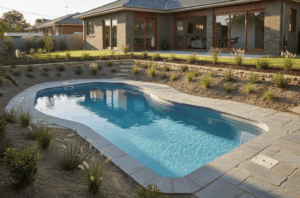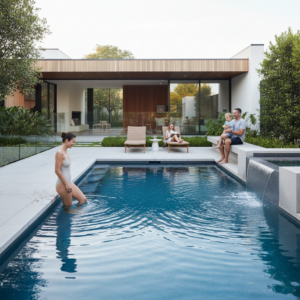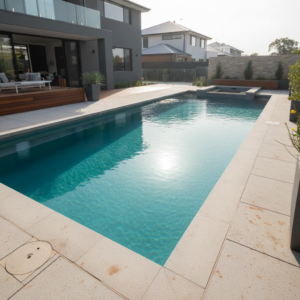

Understanding structural stability in fiberglass pools is a key concern for homeowners throughout Melbourne and surrounding areas who are evaluating long-term pool investments. The question of how fiberglass pools maintain integrity across varying soil types, climate conditions and temperature fluctuations requires a detailed examination of both material properties and installation practices. This article explores the structural factors that allow fiberglass pools to remain stable and functional across diverse Australian environmental conditions.
Understanding Fiberglass Pool Construction and Material Properties
Fiberglass pools are manufactured as pre-formed shell units, constructed from layers of fiberglass material combined with resin and reinforced with a gel coat finish. This manufacturing method creates a single, seamless structure that differs fundamentally from concrete pool construction. The monolithic design of fiberglass pools means that the entire shell acts as an integrated unit, distributing structural stress evenly across the entire surface rather than concentrating pressure at specific points.
The inherent flexibility of fiberglass as a material contributes significantly to structural performance. Unlike concrete, which is rigid and can develop cracks under stress, fiberglass possesses natural elasticity. This flexibility allows the shell to accommodate minor ground movement, soil settlement and thermal expansion without developing the visible fractures that often compromise rigid pool structures. The composite nature of fiberglass—combining multiple resin and glass layers—distributes load forces across a broader surface area, reducing concentrated stress points that might otherwise compromise structural integrity.
The gel coat surface provides more than aesthetic appeal. This protective layer serves as a barrier against ultraviolet radiation, chemical attack and water ingress. In Australian climates where UV exposure is particularly intense, this protective finish plays a critical role in maintaining the long-term durability and structural soundness of the fiberglass shell. When properly maintained, the gel coat extends the operational lifespan of fiberglass pools significantly.
Soil Conditions and Foundation Stability for Fiberglass Pools
Australia presents diverse soil conditions across regions. Homeowners in areas such as Gisborne, Brighton, Mornington and Bentleigh encounter varying soil compositions—from sandy soils to clay-based substrates to expansive soils that shift seasonally. The structural performance of fiberglass pools in these varied conditions depends heavily on proper site assessment and foundation preparation.
Fiberglass pool shell durability in regions such as Gisborne is enhanced by careful evaluation of soil bearing capacity before installation. Professional assessment identifies soil type, compaction density, drainage characteristics and potential for seasonal movement. This pre-installation analysis is essential because the stability of any pool—regardless of material—depends not on the shell alone but on the foundation upon which it rests.
The pre-formed nature of fiberglass pools allows for precise foundation requirements that can be adapted to site-specific soil conditions. Unlike concrete pools that are poured on-site and subject to variations in curing and concrete quality, fiberglass shells arrive as finished units. This means the structural properties of the shell itself remain consistent; the installation process focuses on creating a level, properly compacted and adequately drained foundation that supports the shell uniformly.
For installations in areas such as Brighton and Mornington, where soil conditions may include clay with moderate expansion potential, proper foundation construction becomes particularly important. The installation process typically involves creating a sand or gravel base layer that provides even support while allowing water movement beneath the pool. This careful foundation work helps ensure stable pool installation across regions with variable soil characteristics.
Climate Resilience and Environmental Factors
Australia’s climate presents multiple challenges to outdoor pool structures, including intense solar radiation, temperature fluctuations, high humidity in some regions and occasional severe weather events. Fiberglass pool structure strength across Victoria is supported by the material’s inherent resistance to these environmental stressors.
Thermal expansion and contraction represent a significant challenge in Australian pools. Water temperature changes cause the pool shell to expand and contract seasonally. Fiberglass’s flexibility accommodates these dimensional changes more effectively than rigid materials. The material expands and contracts as temperatures shift, then returns to its original state when conditions stabilize. This cyclical flexibility, sustained over decades, supports long-lasting pool structures without the cumulative damage that affects more rigid materials.
UV exposure presents another environmental consideration affecting fiberglass pool structure strength in Melbourne and throughout Victoria. Australia’s geographic location and relatively thin ozone layer in some regions result in higher UV intensity than many other countries. The gel coat layer provides UV protection that slows degradation of the underlying fiberglass material. When properly applied and maintained, this protective barrier significantly extends structural longevity.
Water chemistry also influences structural performance over time. Improper pH balance, excess chlorine or inadequate alkalinity monitoring can accelerate gel coat degradation and affect the fiberglass substrate. Maintaining appropriate water balance—monitoring pH, total alkalinity and total hardness—protects the structural integrity of fiberglass pools. Water treatment systems available through suppliers like Blue Pools and Spas, including electrolyser systems, chlorinators and injection systems, help maintain these critical parameters and thereby protect pool structure.
Design Features That Support Structural Stability
Modern fiberglass pools incorporate several design features that enhance structural stability. The curved sidewalls and contoured floor design distributes hydrostatic pressure more evenly than flat-sided pools. This geometry reduces stress concentration at specific points and promotes more uniform load distribution across the entire shell surface.
Reinforcement patterns within the fiberglass construction are engineered to handle the hydrostatic pressures typical for residential pools. The thickness of fiberglass layers varies strategically throughout the shell—typically thicker at the bottom where pressure is greatest and somewhat thinner at the waterline where stress is lower. This engineered approach optimizes material use while maintaining structural performance.
The thickness of the fiberglass shell itself contributes to structural robustness. Residential fiberglass pools typically feature shells between 6 and 10 millimetres thick, though specifications vary by manufacturer and design. This thickness provides sufficient material to resist puncture, abrasion and structural deformation while remaining light enough for transport and installation.
Installation Quality and Professional Expertise
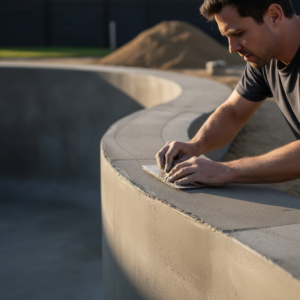
The quality of installation is as important as the intrinsic properties of the fiberglass shell itself. Proper installation ensures that the pool shell’s structural advantages are fully realized. This includes correct placement of the shell in the excavated hole, ensuring proper support across the entire base, adequate backfilling with appropriate material and correct compaction of surrounding soil.
Professional installers assess site-specific conditions to determine the most appropriate installation approach. Factors such as water table depth, soil drainage characteristics, potential for ground movement and proximity to trees or structures that might cause subsidence all influence installation methodology. In regions such as Bentleigh where site conditions vary, this customized approach supports long-lasting pool structures.
Blue Pools and Spas operates across Melbourne and surrounding areas, delivering fiberglass pool installations managed from site assessment through to completion. The company recognises that each installation depends on site conditions, soil characteristics, local climate patterns and client expectations. This site-specific approach helps ensure that fiberglass pools achieve their full potential for stability and longevity across diverse Australian environments.
Equipment Integration and System Design
The structural stability of a fiberglass pool depends not only on the shell itself but also on the integration of circulation and support systems. Pump and filter systems must be properly sized and configured to match the pool volume. The plumbing layout—including pipe sizing and placement—must accommodate the structural properties of the fiberglass shell and the particular site conditions.
For regions across Melbourne where soil and climate conditions vary, Blue Pools and Spas selects pump and filter combinations based on total pool volume, site-specific plumbing requirements and climate factors that influence operational demands. Variable-speed pumps offer efficiency advantages in climates where operating hours vary seasonally, while sand filters and cartridge filters serve different maintenance preferences and pool configurations.